The Best Running Books Every Runner Should Read (Mindset, Training, and the Why Behind the Miles)
If you’ve been running long enough, you already know this truth:
Running doesn’t just train the body.
It trains the mind.
It shapes identity.
It reveals who you are when things get uncomfortable.
Some of the most powerful breakthroughs I’ve had as a runner and as a coach didn’t happen on the road. They happened through pages.
Certain running books don’t just entertain. They change how you train, how you think, and how you relate to the sport.
And what are we doing out there running if not craving a CHANGE?? :)
Three of the best running books I consistently recommend to runners are:
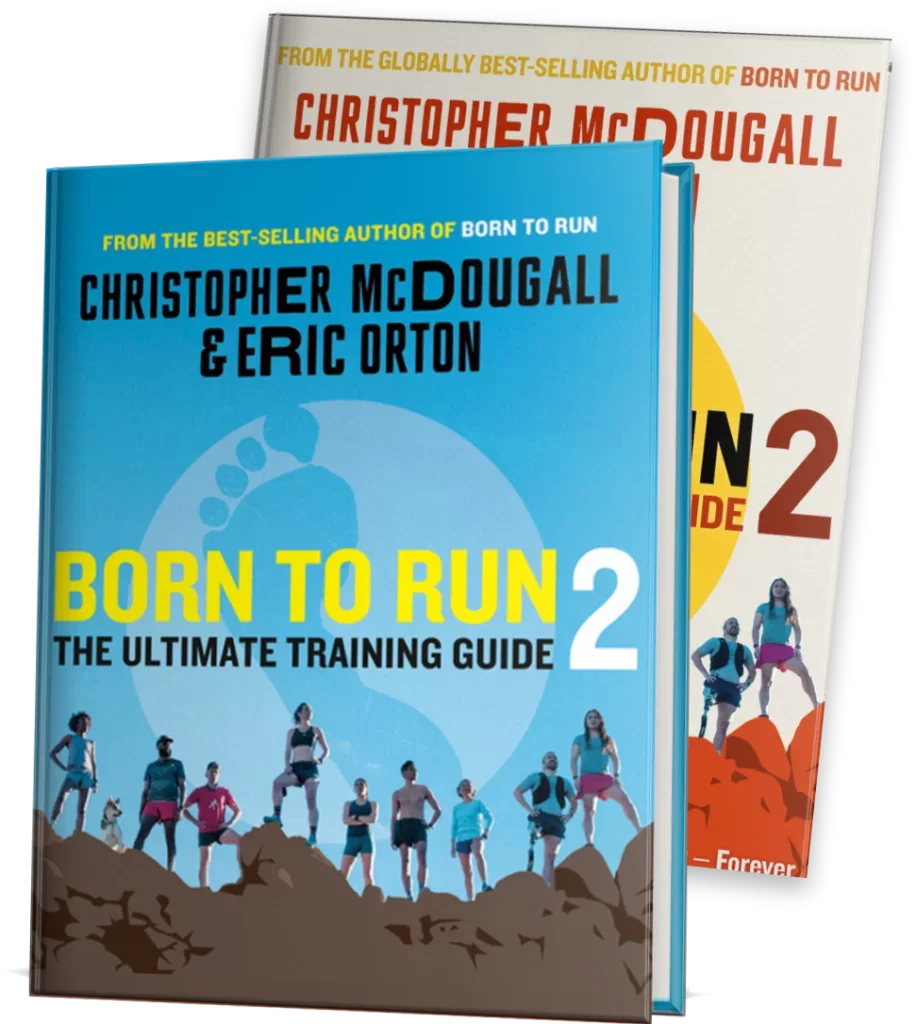
• Born to Run by Christopher McDougall
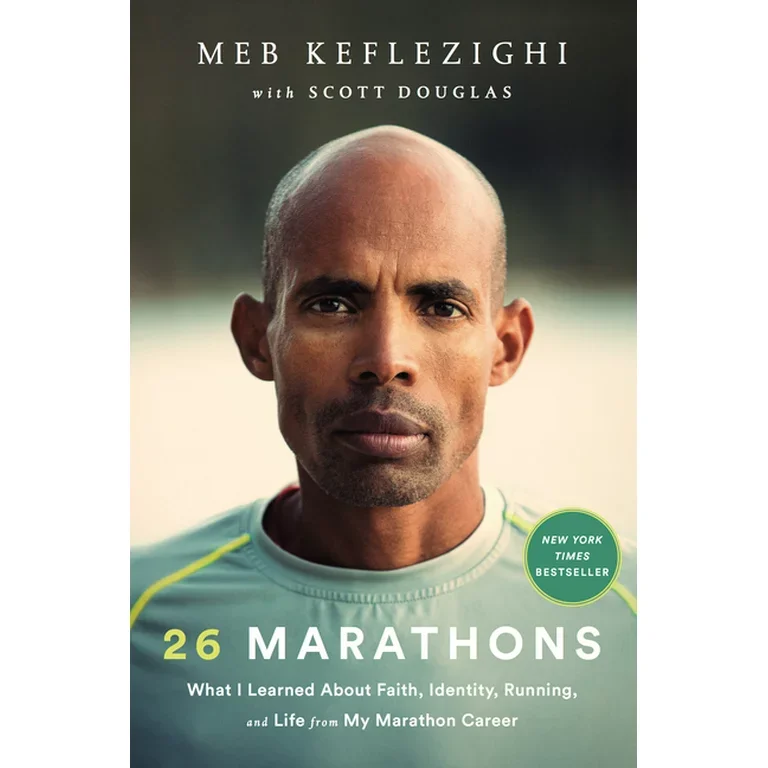
• 26 Marathons by Meb Keflezighi
• Let Your Mind Run by Deena Kastor
Each of these speaks to a different layer of the runner’s path: philosophy, practical training, psychology, and personal identity. Together, they form a powerful foundation for anyone who wants more from running than finish times alone.
Running Philosophy: Why We Run in the First Place
One of the reasons Born to Run is often listed among the best running books of all time is because it doesn’t start with workouts. It starts with meaning.
It asks a deeper question:
What if humans were born to run?
The book reframes running as instinctual, communal, and deeply human. It pulls runners out of the modern obsession with metrics and places them back into relationship with the body. Endurance as heritage. Movement as story. Running as something we are, not just something we do.
Meb’s 26 Marathons adds another layer to running philosophy: devotion. Showing up year after year to the same distance. Learning to respect process, patience, and humility. The marathon as a teacher, not a trophy.
Deena Kastor’s Let Your Mind Run beautifully expands this philosophy into a lifelong lens. Running as a relationship that evolves through injury, competition, motherhood, and growth. Not a season of life, but a thread woven through it.
Together, these books remind runners that:
Running is not just exercise.
It is a practice.
A way of meeting effort.
A way of understanding yourself.
Practical Training Lessons from the Best Running Books
Although these aren’t traditional training manuals, they quietly reinforce some of the most important principles behind sustainable, effective running training.
Long-term consistency beats short-term intensity.
Meb’s career highlights patient base building, steady progression, and respect for recovery. His story mirrors what great coaching looks like in real life: simple on paper, powerful over time.
Efficient movement matters.
Born to Run brings awareness back to cadence, strength, and natural mechanics. It supports what modern research and good coaching both show: durability and efficiency protect runners as much as mileage does.
The mind is part of the training plan.
Deena Kastor demonstrates how mindset training, self-talk, and emotional regulation directly influence performance. Mental skills are not separate from physical training. They are training.
From a coaching perspective, these books reinforce what I build with my athletes every day:
• sustainable weekly volume
• nervous-system aware intensity
• integrated strength work
• recovery as a performance tool
• mindset woven into workouts
The best running training is rarely extreme.
It is intelligent. Intentional. Human.
on a personal note:
I’ve read Let Your Mind Run more than once. That alone tells the story.
As a woman, a mother, and a coach who works with runners across seasons of life, Deena’s voice lands deeply. Her story isn’t just about winning. It’s about evolving. Letting your relationship with running change without abandoning it.
26 Marathons felt repetitive at times… and honestly, that made me smile. Because marathon training is repetitive. And so is growth. Showing up when novelty fades. Loving the process anyway.
Born to Run reconnected me to why I fell in love with running before metrics and plans and outcomes. When it was breath, dirt, rhythm, and freedom.
These books didn’t make me faster.
They made me more devoted.
They helped shape the kind of run coach I am. One who cares about performance, yes, but also about who you are becoming in the process.
Running Psychology and Mental Strength
Every runner eventually discovers this:
The hardest miles are rarely the physical ones.
They are the internal miles.
Deena’s story is one of the strongest examples of running psychology done well. She shows how reframing discomfort, building constructive thought patterns, and choosing curiosity over fear can transform performance.
Meb’s journey highlights emotional resilience. How to handle disappointing races. How to rebuild belief. How to continue when outcomes don’t cooperate.
Born to Run reconnects runners to joy, play, and community. It reminds us that nervous system health, connection, and wonder are not extras. They are performance multipliers.
These books help runners develop:
• mental toughness without self-violence
• identity beyond pace and placement
• emotional recovery after setbacks
• confidence rooted in preparation
• meaning inside discomfort
If your training plan doesn’t address the mind, it is incomplete.
Additional philosophy recommendations:
• What I Talk About When I Talk About Running – Haruki Murakami
A quiet, reflective look at running as a lifelong creative and spiritual practice.
• Running with the Mind of Meditation – Sakyong Mipham
Explores running as moving meditation, awareness, and presence.
• Nowhere Near First – Cory Reese
A beautiful reminder that meaning, joy, and belonging exist far beyond the podium.
A Living List of the Best Running Books
Practical Training & Performance Books
Books that support smart training, longevity, and performance from a grounded, runner-first lens.
• Daniels’ Running Formula – Jack Daniels
A gold-standard for training structure, paces, and physiological understanding. Although I will say I found the “training plan” stuctures hard to follow. Maybe that’s just me.
• 80/20 Running – Matt Fitzgerald
Excellent for runners struggling with burnout, injury, or plateauing.
• Advanced Marathoning – Pete Pfitzinger & Scott Douglas**
A classic for marathoners who want depth, progression, and long-term planning. **BUT do not take this on if you’re a true beginner. I’ve seen folks get injured trying to train under this plan out the gate.
Running Psychology & Mental Strength Books
For mindset, confidence, emotional regulation, and inner endurance.
• Endure – Alex Hutchinson
Deep dive into the science and psychology of human limits.
• How Bad Do You Want It? – Matt Fitzgerald
Explores the mental side of performance and what truly drives breakthroughs. I read this one several times over! Very inspiring.
• The Brave Athlete – Simon Marshall & Lesley Paterson
Practical tools for anxiety, motivation, fear, and self-sabotage in endurance athletes.
Autobiographical & Inspirational Running Books
Stories that remind runners what’s possible, what’s human, and what’s worth chasing.
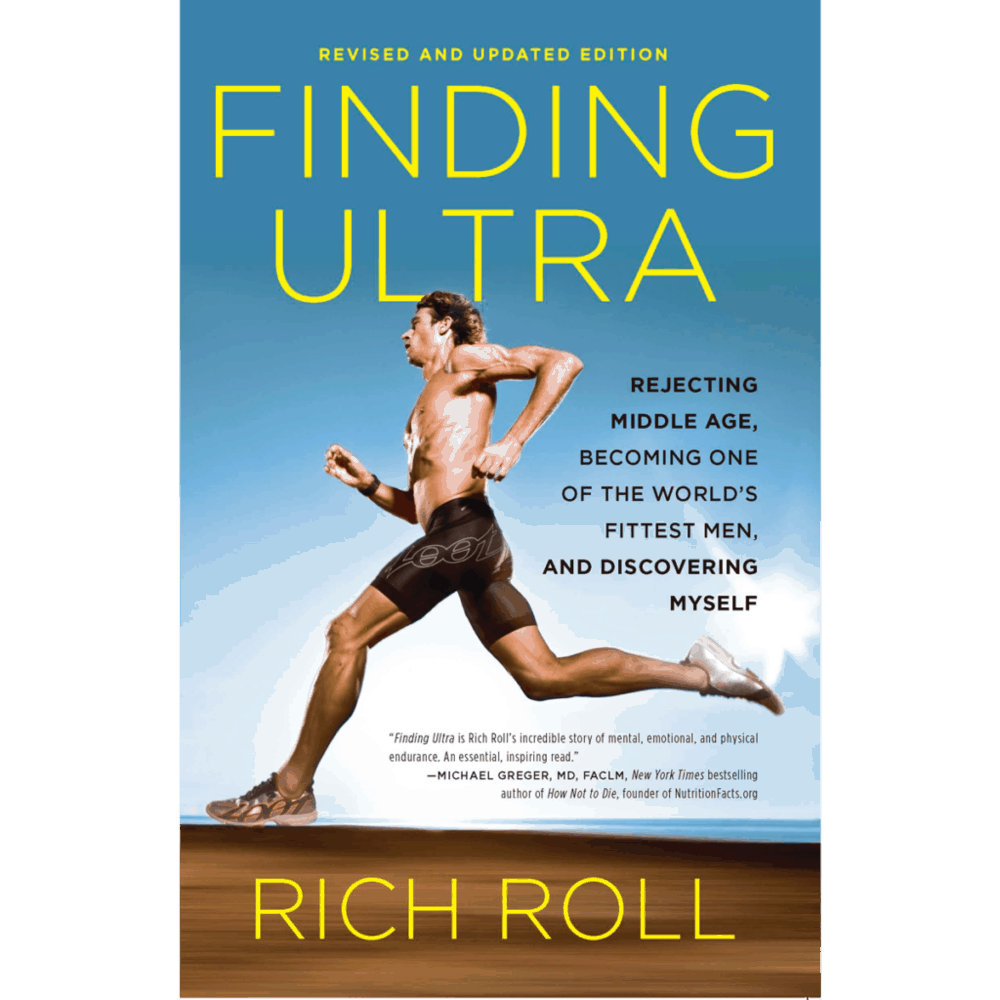
• Finding Ultra – Rich Roll
Transformation, addiction recovery, and endurance as a path of awakening.
• North – Scott Jurek
A powerful blend of elite endurance, vulnerability, and identity. *I read this one in one weekend!! Very well written and relatable.
• My Life on the Run – Bart Yasso
A lighter, joyful celebration of a lifetime in running culture.
This is the beginning of a growing running book list I’ll continue to build and share.
Different seasons of running call for different voices. Some books help you train smarter. Some help you heal your relationship with the sport. Some remind you why you started.
If you’re a runner who wants:
• stronger mindset
• sustainable training
• mental resilience
• and a deeper connection to the sport
…your bookshelf can become part of your training toolkit.
And this is the first mile of that library. :)
**This post may contain affiliate links. If you choose to purchase through them, I may earn a small commission at no additional cost to you and it helps support my coaching work.
